
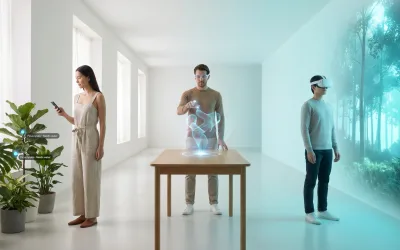
What Is Immersive Technology? AR, VR, MR, and Spatial Computing Explained
A plain guide to immersive technology: how AR, VR, MR, and spatial computing differ, where each is used across industries, and where the field is headed.
Continue ReadingAt Frame Sixty, we are industry-leading experts in virtual reality development. From Apple Vision Pro applications to engaging Meta Quest apps and WebVR experiences, we deliver custom solutions pushing the boundaries of what’s possible in virtual reality. Whether you’re in education, healthcare, enterprise, or entertainment, our team brings your ideas to life.




At Frame Sixty, as trusted experts in virtual reality development, we bring deep expertise to building high-performance VR apps for Meta Quest. We design immersive experiences that engage users across enterprise, education, healthcare, and entertainment industries. Our team utilizes Unity and cutting-edge VR frameworks to deliver intuitive solutions.
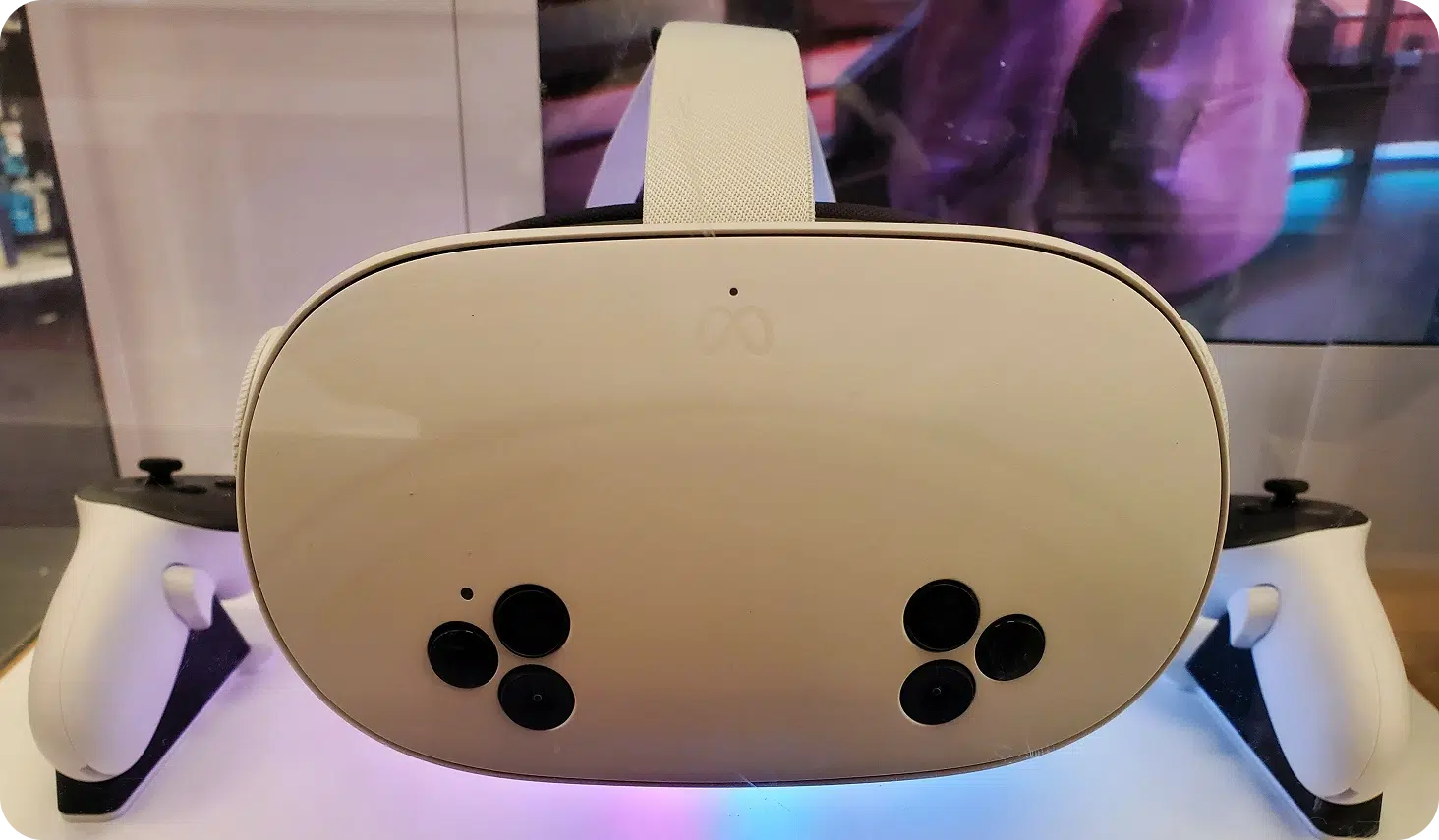
We specialize in virtual reality development for Apple Vision Pro, combining spatial design expertise with powerful native technologies. Our team creates immersive applications that harness the full potential of visionOS, leveraging SwiftUI for elegant, responsive interfaces and Unity for complex, cross-platform experiences.
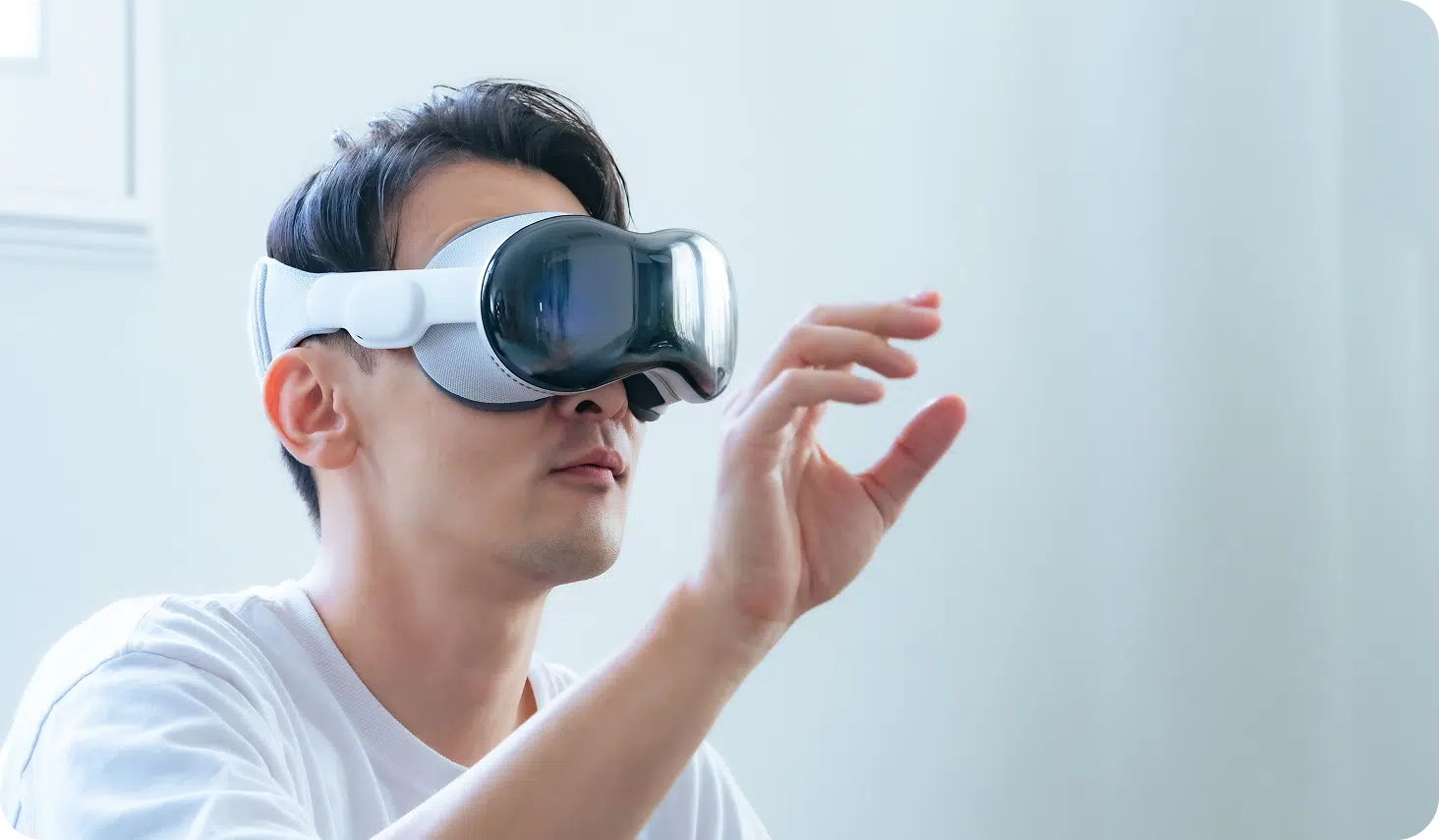
At Frame Sixty, we specialize in virtual reality development for training and simulation, delivering immersive learning environments that replicate real-world scenarios with precision. Whether for healthcare, manufacturing, aviation, or corporate onboarding, our VR simulations are designed to enhance retention, improve safety, and reduce training costs.
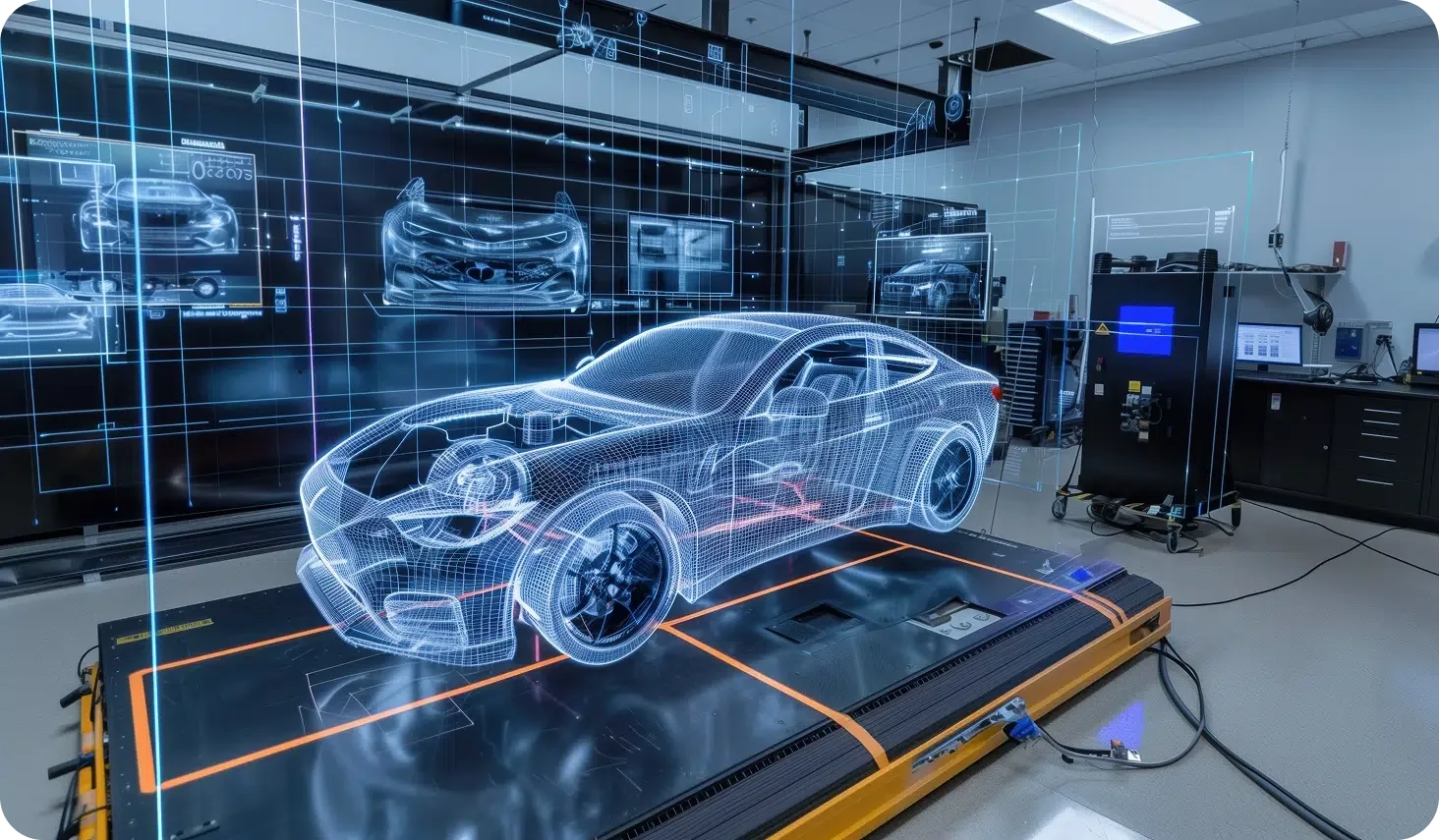
We specialize in adapting existing iOS, iPad, and Meta Quest apps to fully leverage Apple Vision Pro’s capabilities, with our Apple Vision Pro developers aiming to reach broader audiences. Our expertise ensures optimized performance, enhanced visual fidelity, and seamless interactions, utilizing Vision Pro’s unique features to deliver superior AR experiences.
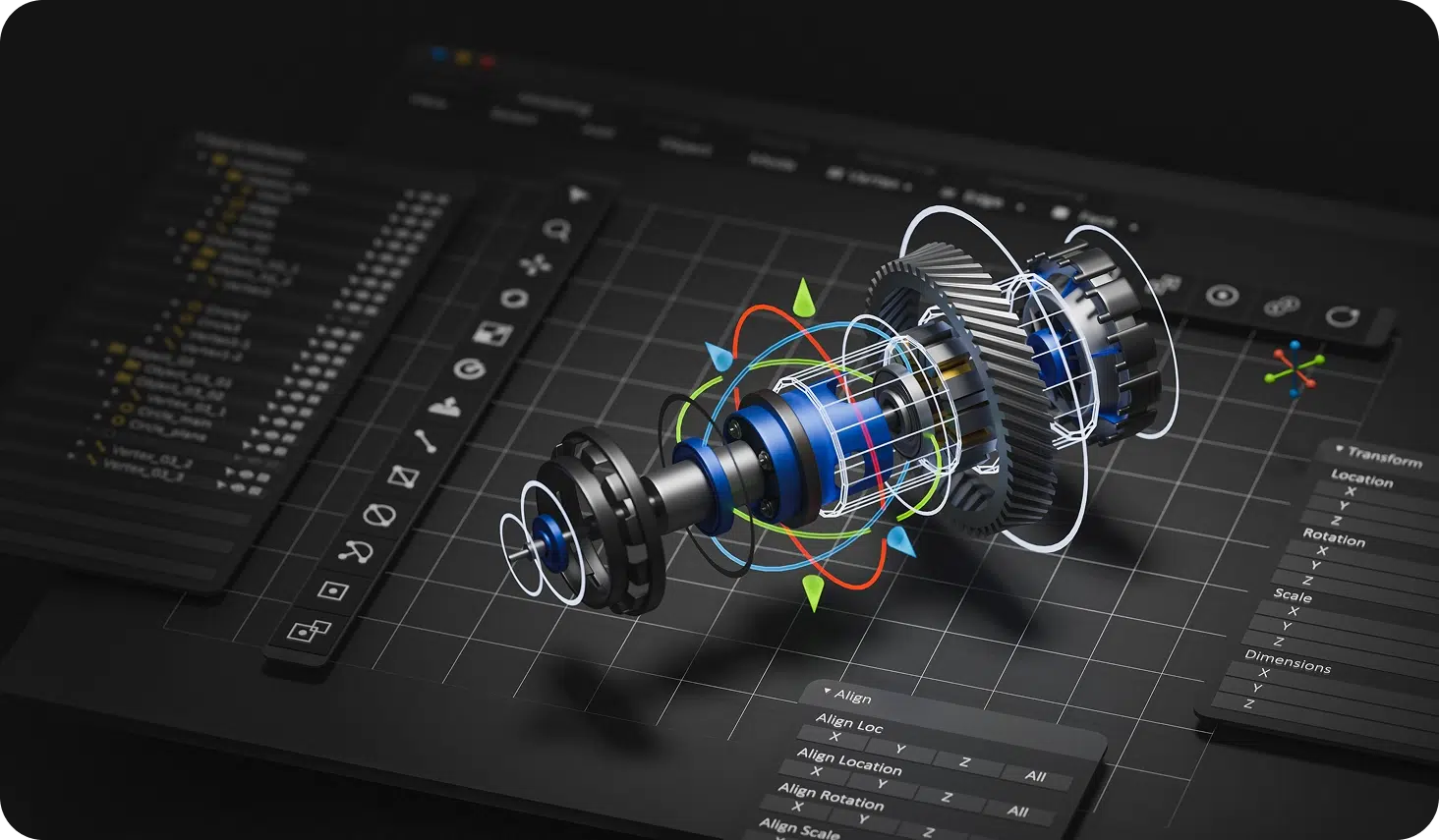
We specialize in virtual reality development that brings fully immersive environments to life on platforms like Apple Vision Pro & Meta Quest. Our team creates richly detailed virtual spaces, designed for training, collaboration, education, and entertainment—built to maximize the spatial and visual capabilities of next-gen headsets.
We specialize in integrating spatial video into immersive VR applications, experiences, and games. We provide expert guidance on capturing and optimizing spatial video to enhance the realism and depth of virtual environments. From consultation on 3D filming techniques to seamless in-app integration, we fully leverage the power of spatial video.
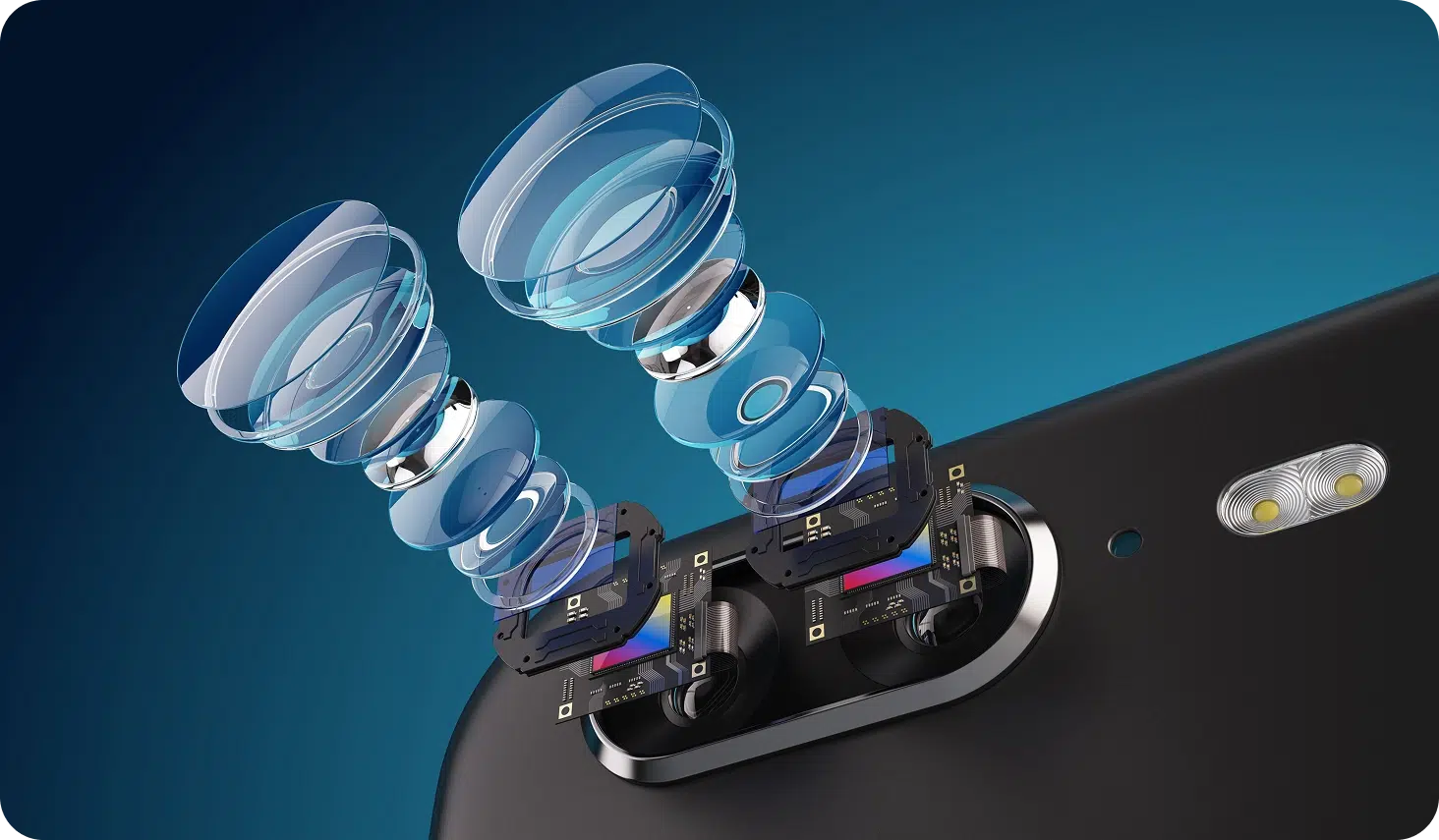
At Frame Sixty, as trusted experts in virtual reality development, we bring deep expertise to building high-performance VR apps for Meta Quest. We design immersive experiences that engage users across enterprise, education, healthcare, and entertainment industries. Our team utilizes Unity and cutting-edge VR frameworks to deliver intuitive solutions.
We specialize in virtual reality development for Apple Vision Pro, combining spatial design expertise with powerful native technologies. Our team creates immersive applications that harness the full potential of visionOS, leveraging SwiftUI for elegant, responsive interfaces and Unity for complex, cross-platform experiences.
We specialize in adapting existing iOS, iPad, and Meta Quest apps to fully leverage Apple Vision Pro’s capabilities, with our Apple Vision Pro developers aiming to reach broader audiences. Our expertise ensures optimized performance, enhanced visual fidelity, and seamless interactions, utilizing Vision Pro’s unique features to deliver superior AR experiences.
We specialize in virtual reality development that brings fully immersive environments to life on platforms like Apple Vision Pro & Meta Quest. Our team creates richly detailed virtual spaces, designed for training, collaboration, education, and entertainment—built to maximize the spatial and visual capabilities of next-gen headsets.
We specialize in integrating spatial video into immersive VR applications, experiences, and games. We provide expert guidance on capturing and optimizing spatial video to enhance the realism and depth of virtual environments. From consultation on 3D filming techniques to seamless in-app integration, we fully leverage the power of spatial video.
At Frame Sixty, we specialize in virtual reality development for training and simulation, delivering immersive learning environments that replicate real-world scenarios with precision. Whether for healthcare, manufacturing, aviation, or corporate onboarding, our VR simulations are designed to enhance retention, improve safety, and reduce training costs.
Virtual reality development spans a range of powerful platforms, each offering unique strengths for building immersive experiences on devices like Apple Vision Pro and Meta Quest. From Unity’s flexible, cross-platform engine to the browser-based accessibility of WebXR and the cinematic realism of Unreal Engine, these tools enable developers to create engaging VR environments tailored to diverse use cases. At Frame Sixty, we leverage the right platform for each project’s goals—whether it's performance optimization, visual fidelity, or seamless deployment across devices.

As a core part of our virtual reality development workflow, Unity empowers us to build high-performance VR applications for both Apple Vision Pro and Meta Quest. Its powerful cross-platform capabilities, vast asset ecosystem, and real-time rendering engine make it ideal for creating immersive simulations, training tools, and interactive environments. Unity’s XR Interaction Toolkit and support for hand tracking, controller input, and spatial UI allow us to design intuitive, responsive VR experiences. With deep integration into both Meta and Apple platforms—including support for visionOS via PolySpatial—Unity is our go-to engine for scalable, dynamic virtual reality solutions.

WebXR offers a lightweight and accessible path for virtual reality development, enabling immersive VR experiences directly through the browser—without requiring app downloads. At Frame Sixty, we use WebXR to build cross-platform VR content that runs seamlessly on Meta Quest, Vision Pro (via Safari), and desktop VR headsets. This approach is perfect for marketing activations, educational modules, and product demos that demand broad accessibility and rapid deployment. With WebXR, we can deliver rich, interactive VR environments that are easy to share, easy to update, and capable of reaching users instantly across devices.


When maximum realism and graphic fidelity are essential, Unreal Engine is our platform of choice for high-end virtual reality development. Ideal for Vision Pro and Meta Quest projects that demand cinematic quality and complex environmental detail, Unreal delivers advanced lighting, physics, and rendering performance out of the box. Its robust VR toolset, including motion controller support and real-time Lumen lighting, allows us to create visually stunning and deeply immersive virtual worlds. At Frame Sixty, we harness Unreal’s power to build next-generation simulations, architectural walkthroughs, and enterprise VR experiences that push the boundaries of immersion.
As Apple Vision Pro developers, our combined experience has resulted in a staggering 10 million+ downloads.
We have successfully developed over 100 iOS, Android and Vision Pro Apps, distributed across the world.
We have seven published technology patents in augmented reality and machine learning as an Apple Vision Pro development agency.
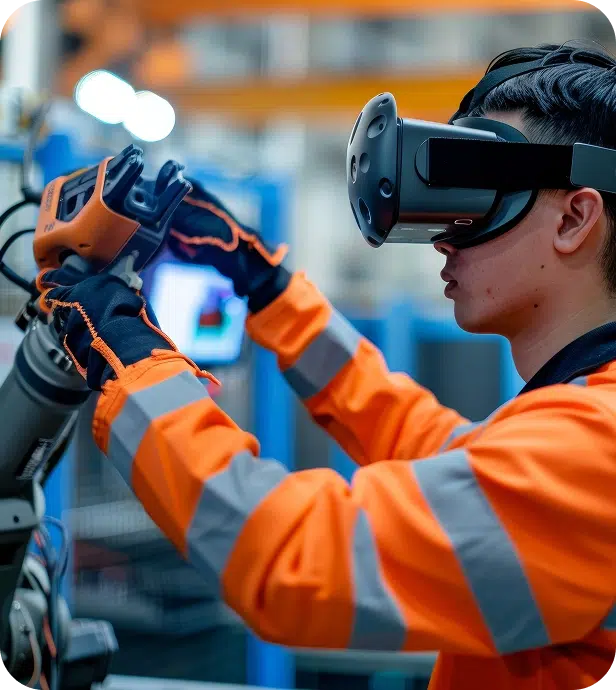
At Frame Sixty, our virtual reality development team specializes in creating custom VR training and simulation experiences that enhance learning, safety, and performance across industries. We build immersive, scenario-based modules designed to replicate real-world environments with precision, allowing users to gain hands-on experience in a safe, controlled setting. Whether it’s technical skills training for manufacturing, soft skills development for corporate teams, or medical simulations for healthcare professionals, we design VR solutions that are engaging, repeatable, and measurable.
Using platforms like Meta Quest and Apple Vision Pro, we develop high-fidelity training environments with interactive elements, real-time feedback systems, and analytics integration. Our approach ensures that each simulation is optimized for performance, user comfort, and educational impact. With Unity and Unreal Engine at the core of our development pipeline, we’re able to deliver scalable solutions that adapt to various training needs, from individual practice to collaborative multi-user scenarios.
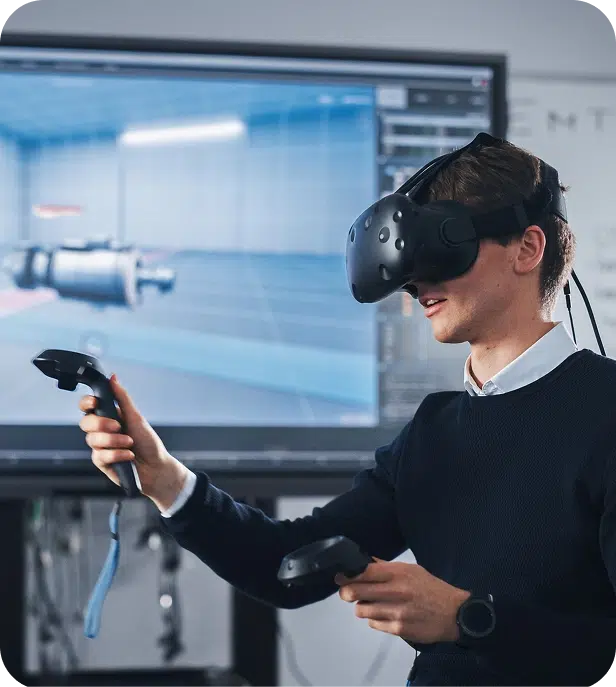
At Frame Sixty, we leverage virtual reality development to create immersive educational experiences that transform how students, educators, and institutions engage with learning content. Our VR solutions are designed to make abstract concepts tangible, turning lessons into interactive experiences that boost retention and participation. Whether it’s a virtual science lab, historical walkthrough, or real-time language immersion environment, we craft educational applications that are aligned with curriculum goals and optimized for both individual and collaborative use.
We develop for platforms like Meta Quest and Apple Vision Pro, ensuring accessibility and performance across classroom, remote, and hybrid learning environments. Our team focuses on intuitive design, interactive assessments, and data tracking to support educators in measuring student progress and engagement. With expertise in Unity and WebXR, we’re also able to deliver browser-accessible VR learning modules for maximum reach. At Frame Sixty, we believe virtual reality development is key to the future of education—making learning more engaging, inclusive, and experiential than ever before.
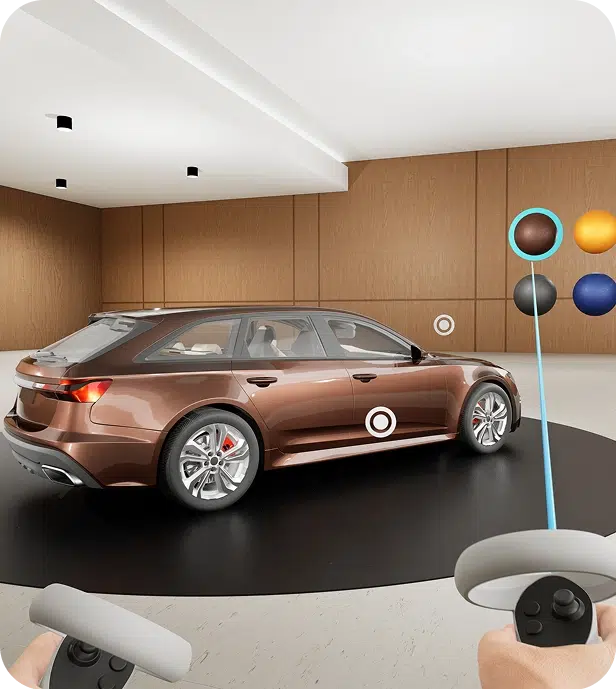
We use virtual reality development to bring products to life through immersive, interactive demos that go far beyond traditional presentations. Whether you're showcasing a complex piece of machinery, a new consumer device, or an innovative service, our VR product demos allow users to explore, manipulate, and experience offerings in a realistic, engaging environment. This hands-on approach increases comprehension, drives engagement, and shortens sales cycles by allowing potential customers to fully understand the value and functionality of your product.
We develop custom VR demos for platforms like Meta Quest and Apple Vision Pro, offering everything from guided walkthroughs to freeform exploration and real-time configuration options. Our team also integrates branding, storytelling, and analytics to create a seamless experience that aligns with your marketing and sales goals. With Unity and Unreal Engine at the core of our workflow, we deliver high-fidelity, performance-optimized demos that can be deployed in-person at trade shows, remotely during sales meetings, or even via WebXR for instant web access.
We harness the power of virtual reality development to create unforgettable marketing experiences that captivate audiences and elevate brand storytelling. Our immersive VR campaigns are designed to leave a lasting impression—whether you're launching a new product, building brand awareness, or activating a live event. We create interactive environments, branded worlds, and experiential content that allow users to step directly into your brand narrative.
Our team develops marketing-focused VR experiences for platforms like Meta Quest, Apple Vision Pro, and WebXR, ensuring accessibility across devices and environments. Whether it's a virtual showroom, gamified campaign, or branded mini-game, we deliver performance-optimized, visually stunning content that sparks curiosity and drives engagement.
With built-in analytics, social sharing, and CRM integrations, our VR marketing solutions don’t just impress—they convert. By combining strategic storytelling, 3D design, and cutting-edge development, we help brands stand out in a crowded market.
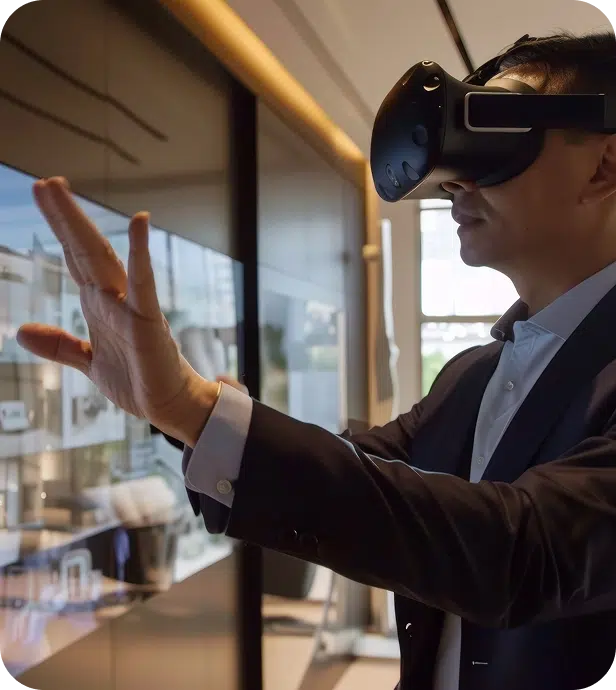
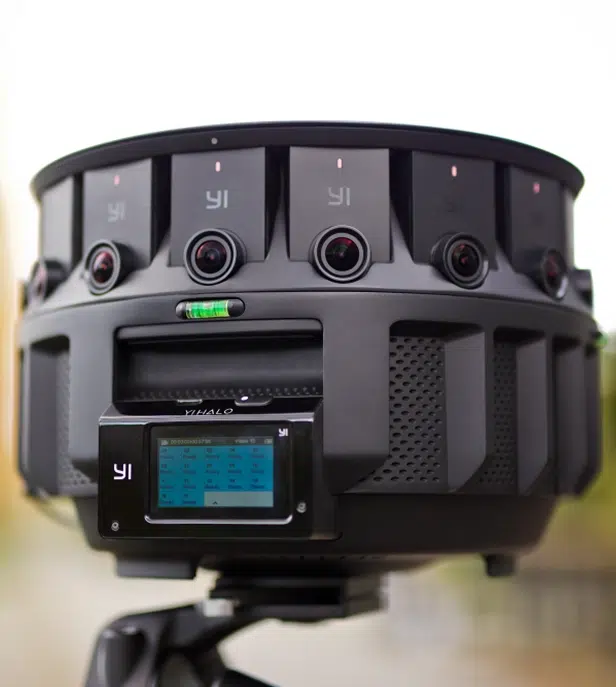
At Frame Sixty, we integrate 360 spatial video into our Virtual Reality development services to create immersive storytelling experiences that place users at the center of the action. From documentary-style narratives and brand storytelling to virtual tours and training content, spatial video adds a powerful layer of realism and depth to VR environments. Users can look around, explore, and feel fully present in real-world scenarios captured with cinematic quality.
We specialize in producing and integrating spatial video content across platforms like Apple Vision Pro and Meta Quest, ensuring smooth playback, optimized performance, and seamless interaction within larger VR experiences. Our team provides end-to-end support—from advising on 3D camera setups and spatial audio to editing, compression, and integration with interactive elements. These experiences are ideal for industries like tourism, education, healthcare, and corporate training, where realism and presence are essential. Through expert Virtual Reality development, we help clients tell their stories in the most engaging and immersive way possible.
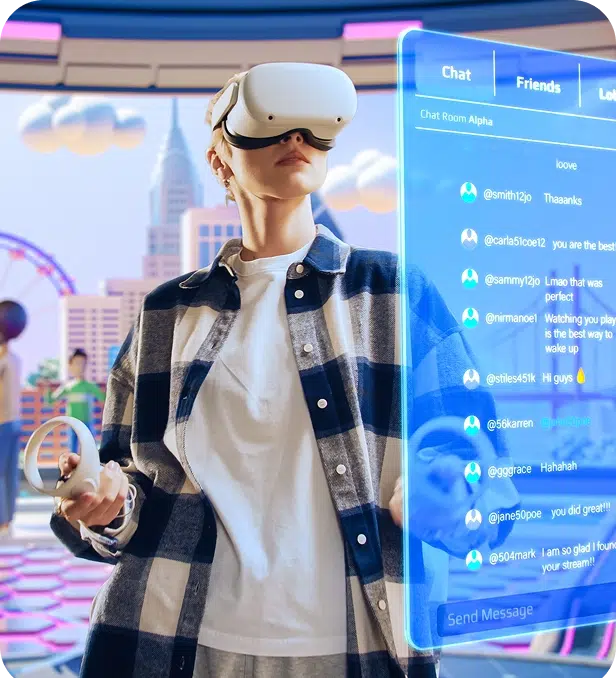
We bring creativity and technical excellence together in our virtual reality development for games, building immersive and interactive experiences that push the boundaries of what's possible in VR entertainment. Whether it’s an action-packed adventure, a relaxing puzzle game, or a deeply narrative-driven experience, we design and develop games that are intuitive, visually rich, and optimized for performance across devices like Meta Quest and Apple Vision Pro.
Our team uses Unity and Unreal Engine to craft VR gameplay that leverages spatial interaction, hand tracking, haptics, and real-world movement to create unforgettable experiences. We handle everything from concept design and level development to 3D modeling, game mechanics, and multiplayer integration. With a player-first approach, we ensure the games we build are not only fun but also comfortable, accessible, and replayable.
At Frame Sixty, we help studios, indie developers, and brands realize their creative vision through compelling, high-performance VR games that engage and inspire audiences worldwide.
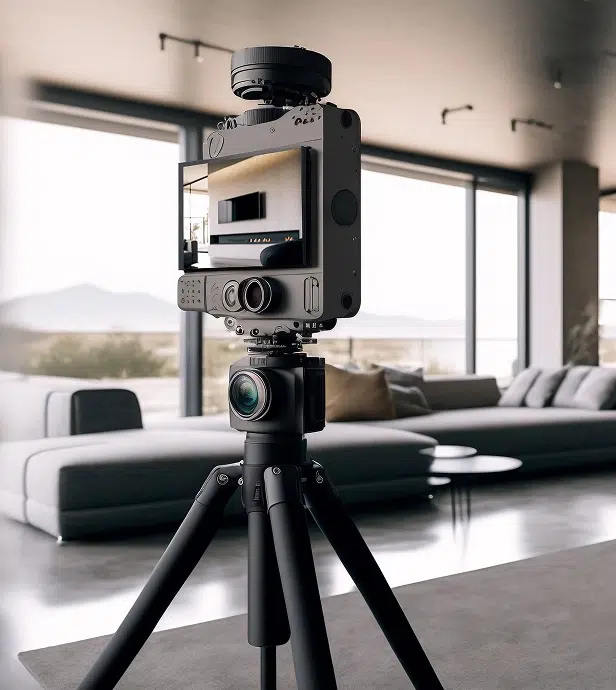
At Frame Sixty, we leverage virtual reality development to transform how real estate and architectural designs are presented, experienced, and sold. Our immersive VR environments allow clients, investors, and stakeholders to explore properties and spaces at true scale—long before they’re built. From residential walkthroughs and commercial previews to architectural visualization and design validation, we create interactive experiences that showcase every detail with clarity and precision.
Using platforms like Meta Quest and Apple Vision Pro, we deliver high-fidelity virtual tours that feature real-time lighting, material swaps, spatial audio, and even interactive design elements. Clients can walk through floorplans, inspect finishes, and experience layouts in a fully immersive setting, improving decision-making and accelerating project timelines. For architects, our VR tools support iterative design, client presentations, and collaborative review in ways that static renders simply can't match.
At Frame Sixty, we specialize in virtual reality development for healthcare and medical applications, building immersive tools that support training, patient care, therapy, and medical education. Our VR solutions are designed to replicate clinical scenarios with precision—helping professionals practice procedures, improve decision-making, and enhance patient outcomes in a safe, controlled environment. From surgical simulations and anatomy exploration to mental health therapies and rehabilitation tools, we develop experiences that combine realism, interactivity, and measurable results.
We create healthcare VR applications for platforms like Apple Vision Pro and Meta Quest, taking advantage of their high-resolution displays, spatial tracking, and intuitive interfaces. Our team collaborates with medical experts to ensure clinical accuracy, usability, and compliance with industry standards. We also integrate biometric feedback, performance analytics, and real-time guidance to reinforce learning and support therapeutic outcomes.
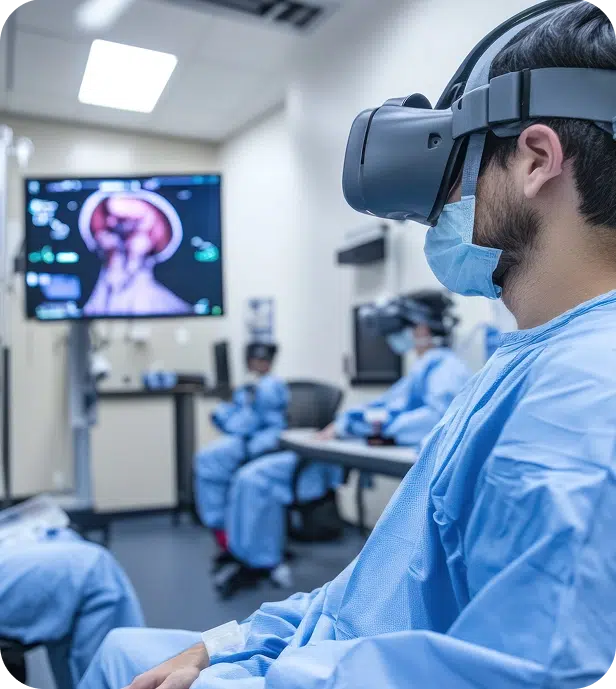
At Frame Sixty, we use virtual reality development to solve real-world challenges in manufacturing and industrial sectors by creating immersive tools for training, prototyping, and process visualization. Our VR applications help teams safely simulate complex machinery, refine workflows, and explore large-scale environments—without the cost or risk associated with physical setups. Whether it's onboarding new technicians, performing virtual equipment walkthroughs, or optimizing production layouts, our VR solutions deliver hands-on experiences that drive efficiency and innovation.
We build for platforms like Meta Quest and Apple Vision Pro, ensuring portability, wireless flexibility, and powerful spatial interaction. Our simulations are designed to replicate real-world physics, environments, and equipment with high fidelity, allowing users to train, troubleshoot, and collaborate in lifelike virtual settings.
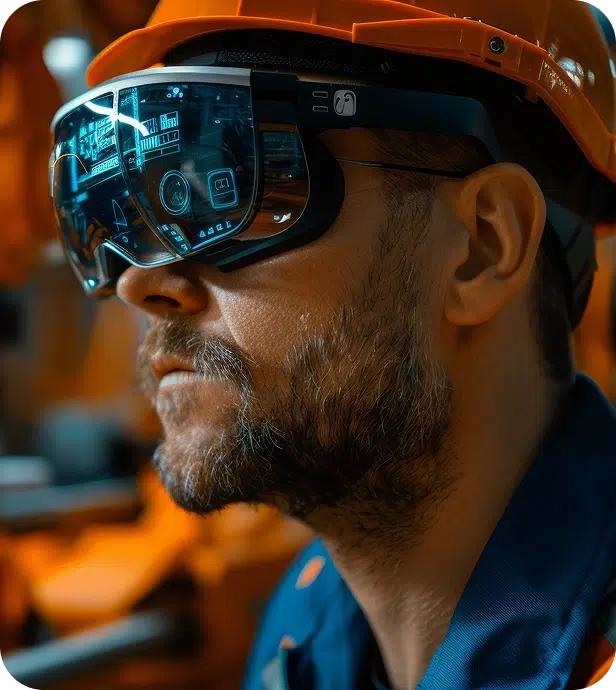
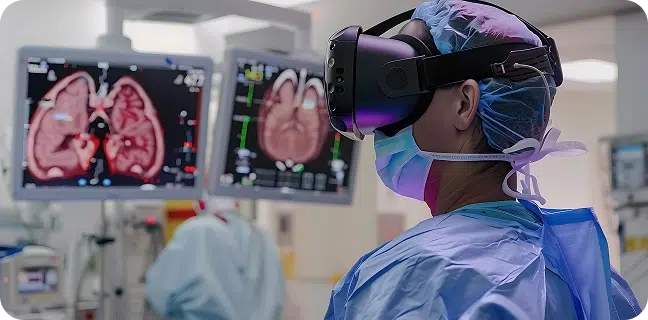
Virtual reality development is revolutionizing medical education by enabling immersive, hands-on surgical training without the risks associated with live patients. At Frame Sixty, we create VR simulations that allow medical professionals and students to practice complex procedures in a realistic, 3D environment using headsets like Meta Quest and Apple Vision Pro.
These interactive training modules help improve precision, reduce human error, and build confidence in high-stress medical scenarios. Our VR experiences can simulate everything from basic anatomy to full surgeries, complete with haptic feedback, real-time guidance, and performance analytics. By combining spatial computing and clinical accuracy, virtual reality development helps hospitals and medical schools elevate surgical training and improve patient outcomes.
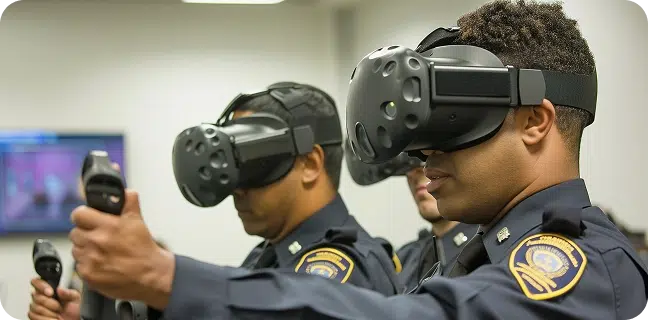
Workplace safety training is critical—especially in high-risk industries like construction, manufacturing, and logistics. Through virtual reality development, we build immersive training simulations that expose workers to hazardous environments without real-world danger. VR safety training reinforces protocols, boosts retention, and reduces the risk of on-site injuries.
At Frame Sixty, our custom-built experiences replicate real job sites, equipment, and emergency scenarios with interactive modules and real-time decision-making. These solutions are scalable, measurable, and available on devices like Meta Quest and Apple Vision Pro. virtual reality development empowers organizations to standardize training, ensure compliance, and create a safer, more prepared workforce—no matter the location or scale.
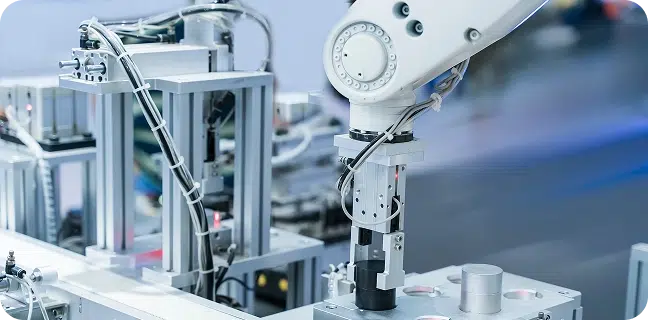
Virtual reality development offers a powerful solution for training technicians on equipment assembly, repair, and troubleshooting—without requiring access to physical hardware. At Frame Sixty, we develop interactive VR maintenance modules that guide users through step-by-step procedures in realistic, spatially accurate environments. This reduces downtime, improves first-time fix rates, and helps companies onboard staff more efficiently. Our VR training tools simulate everything from industrial machines to medical devices and are designed for use on Meta Quest, Apple Vision Pro, and other leading VR headsets. With built-in performance tracking and adaptive learning features, virtual reality development gives your workforce the tools to learn faster, work safer, and maintain equipment with confidence.
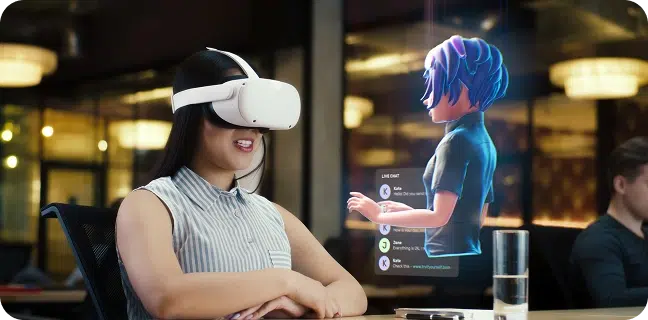
Virtual reality development is transforming how remote teams connect, collaborate, and create. At Frame Sixty, we build shared virtual workspaces where teams can meet, brainstorm, review designs, and train together in real time—regardless of geographic location. Unlike standard video calls, VR collaboration fosters true presence, spatial awareness, and deeper engagement. Whether it’s reviewing 3D models, planning operations, or hosting training sessions, our solutions are built for devices like Meta Quest and Apple Vision Pro. With support for hand tracking, voice chat, and real-time object manipulation, our VR environments feel natural and intuitive. Virtual reality development enables modern organizations to reduce travel, accelerate workflows, and build stronger connections in a spatial digital space.
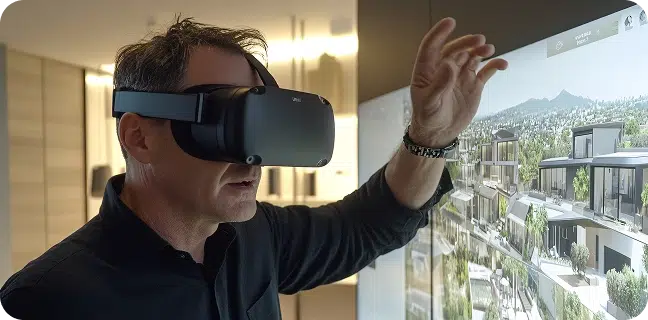
Virtual reality development provides powerful tools for sales teams to present products and services in more dynamic, impactful ways. At Frame Sixty, we build custom VR sales demos that let prospects explore offerings in 3D, interact with features, and experience value firsthand. Whether it’s a technical product walkthrough, virtual showroom, or interactive storytelling experience, our VR solutions elevate every sales pitch. These applications are ideal for industries like manufacturing, healthcare, and enterprise software—where conveying complex value quickly is key. Compatible with platforms like Meta Quest and Apple Vision Pro, our sales tools are portable, scalable, and analytics-ready. With virtual reality development, your sales team can close deals faster and stand out in any market.
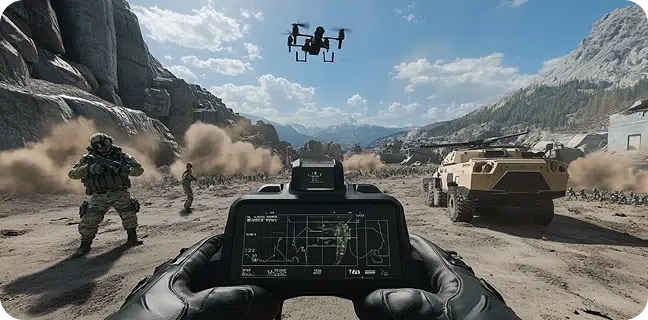
Virtual reality development offers advanced, repeatable, and immersive training for military and defense personnel. At Frame Sixty, we design realistic combat simulations that prepare soldiers for mission-critical scenarios—without the cost, logistics, or risk of live training exercises. Our VR experiences replicate tactical environments, enemy encounters, and equipment use in dynamic 3D spaces, allowing for real-time decision-making and stress exposure. Built for platforms like Meta Quest and Apple Vision Pro, these simulations offer portability, scalability, and measurable outcomes. We also integrate after-action review tools, branching scenarios, and multi-user training to support both individual and squad-based learning. With virtual reality development, military training becomes more efficient, adaptive, and operationally effective.
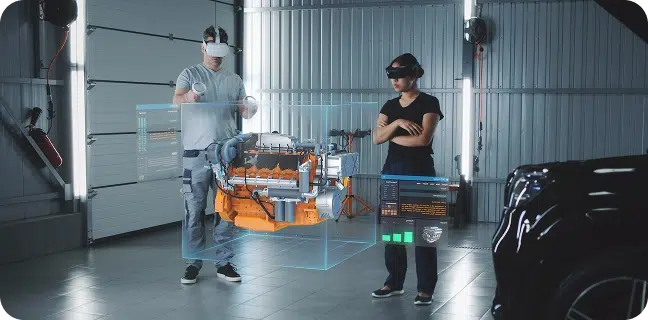
Trade shows and product launches are high-stakes moments—and virtual reality development helps brands create immersive experiences that stand out. At Frame Sixty, we build portable VR activations that let attendees interact with products, explore features, and experience brand stories in unforgettable ways. These solutions are ideal for showcasing complex offerings that can’t easily be transported, such as large machinery, real estate developments, or software platforms. Our VR experiences are built for Meta Quest and Apple Vision Pro, designed for ease of use, visual impact, and maximum engagement. With virtual reality development, your brand can capture attention, gather insights, and leave a lasting impression—whether in-person or through remote access experiences.
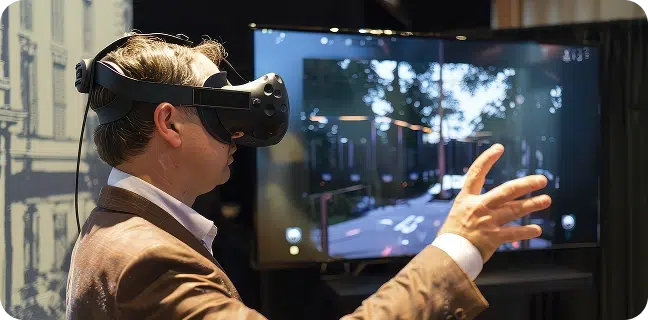
Virtual reality development is redefining architectural design and construction planning by enabling immersive, full-scale walkthroughs before a single wall is built. At Frame Sixty, we create VR environments that allow architects, developers, and stakeholders to explore spaces, assess designs, and make decisions in real time. Our VR design review tools support spatial navigation, real-world scale visualization, material previews, and real-time collaboration—perfect for eliminating costly change orders and accelerating approvals. Whether it’s a commercial development or residential property, users can experience the design from any angle using Meta Quest or Apple Vision Pro. With virtual reality development, pre-construction reviews become more efficient, accurate, and impactful—turning static blueprints into compelling, immersive experiences.
Virtual reality development is revolutionizing medical education by enabling immersive, hands-on surgical training without the risks associated with live patients. At Frame Sixty, we create VR simulations that allow medical professionals and students to practice complex procedures in a realistic, 3D environment using headsets like Meta Quest and Apple Vision Pro.
These interactive training modules help improve precision, reduce human error, and build confidence in high-stress medical scenarios. Our VR experiences can simulate everything from basic anatomy to full surgeries, complete with haptic feedback, real-time guidance, and performance analytics. By combining spatial computing and clinical accuracy, virtual reality development helps hospitals and medical schools elevate surgical training and improve patient outcomes.
Workplace safety training is critical—especially in high-risk industries like construction, manufacturing, and logistics. Through virtual reality development, we build immersive training simulations that expose workers to hazardous environments without real-world danger. VR safety training reinforces protocols, boosts retention, and reduces the risk of on-site injuries.
At Frame Sixty, our custom-built experiences replicate real job sites, equipment, and emergency scenarios with interactive modules and real-time decision-making. These solutions are scalable, measurable, and available on devices like Meta Quest and Apple Vision Pro. virtual reality development empowers organizations to standardize training, ensure compliance, and create a safer, more prepared workforce—no matter the location or scale.
Virtual reality development offers a powerful solution for training technicians on equipment assembly, repair, and troubleshooting—without requiring access to physical hardware. At Frame Sixty, we develop interactive VR maintenance modules that guide users through step-by-step procedures in realistic, spatially accurate environments. This reduces downtime, improves first-time fix rates, and helps companies onboard staff more efficiently. Our VR training tools simulate everything from industrial machines to medical devices and are designed for use on Meta Quest, Apple Vision Pro, and other leading VR headsets. With built-in performance tracking and adaptive learning features, virtual reality development gives your workforce the tools to learn faster, work safer, and maintain equipment with confidence.
Virtual reality development is transforming how remote teams connect, collaborate, and create. At Frame Sixty, we build shared virtual workspaces where teams can meet, brainstorm, review designs, and train together in real time—regardless of geographic location. Unlike standard video calls, VR collaboration fosters true presence, spatial awareness, and deeper engagement. Whether it’s reviewing 3D models, planning operations, or hosting training sessions, our solutions are built for devices like Meta Quest and Apple Vision Pro. With support for hand tracking, voice chat, and real-time object manipulation, our VR environments feel natural and intuitive. Virtual reality development enables modern organizations to reduce travel, accelerate workflows, and build stronger connections in a spatial digital space.
Virtual reality development provides powerful tools for sales teams to present products and services in more dynamic, impactful ways. At Frame Sixty, we build custom VR sales demos that let prospects explore offerings in 3D, interact with features, and experience value firsthand. Whether it’s a technical product walkthrough, virtual showroom, or interactive storytelling experience, our VR solutions elevate every sales pitch. These applications are ideal for industries like manufacturing, healthcare, and enterprise software—where conveying complex value quickly is key. Compatible with platforms like Meta Quest and Apple Vision Pro, our sales tools are portable, scalable, and analytics-ready. With virtual reality development, your sales team can close deals faster and stand out in any market.
Virtual reality development offers advanced, repeatable, and immersive training for military and defense personnel. At Frame Sixty, we design realistic combat simulations that prepare soldiers for mission-critical scenarios—without the cost, logistics, or risk of live training exercises. Our VR experiences replicate tactical environments, enemy encounters, and equipment use in dynamic 3D spaces, allowing for real-time decision-making and stress exposure. Built for platforms like Meta Quest and Apple Vision Pro, these simulations offer portability, scalability, and measurable outcomes. We also integrate after-action review tools, branching scenarios, and multi-user training to support both individual and squad-based learning. With virtual reality development, military training becomes more efficient, adaptive, and operationally effective.
Trade shows and product launches are high-stakes moments—and virtual reality development helps brands create immersive experiences that stand out. At Frame Sixty, we build portable VR activations that let attendees interact with products, explore features, and experience brand stories in unforgettable ways. These solutions are ideal for showcasing complex offerings that can’t easily be transported, such as large machinery, real estate developments, or software platforms. Our VR experiences are built for Meta Quest and Apple Vision Pro, designed for ease of use, visual impact, and maximum engagement. With virtual reality development, your brand can capture attention, gather insights, and leave a lasting impression—whether in-person or through remote access experiences.
Virtual reality development is redefining architectural design and construction planning by enabling immersive, full-scale walkthroughs before a single wall is built. At Frame Sixty, we create VR environments that allow architects, developers, and stakeholders to explore spaces, assess designs, and make decisions in real time. Our VR design review tools support spatial navigation, real-world scale visualization, material previews, and real-time collaboration—perfect for eliminating costly change orders and accelerating approvals. Whether it’s a commercial development or residential property, users can experience the design from any angle using Meta Quest or Apple Vision Pro. With virtual reality development, pre-construction reviews become more efficient, accurate, and impactful—turning static blueprints into compelling, immersive experiences.
A plain guide to immersive technology: how AR, VR, MR, and spatial computing differ, where each is used across industries, and where the field is headed.
Continue Reading
A virtual showroom lets customers explore, configure, and buy products in 3D, AR, or VR. Here are the three formats, real brand results, and what a build costs.
Continue Reading
Virtual reality property walkthroughs let buyers explore a home from a headset, browser, or phone before visiting. This guide breaks down the formats, real costs, the technology, and how to commission one.
Continue ReadingClient happiness has been our top priority for over a decade. We listen intently to clients and their customers, assume nothing, and fearlessly create innovative solutions. Relentless dedication ensures the perfect outcome.
 Gabe CostaLogitech
Frame Sixty was a great partner in supporting our Apple Vision Pro initiative. Their mixed reality team brought strong technical expertise and a clear understanding of the Apple ecosystem. They were friendly, committed, and easy to work with throughout the process. Most importantly, they delivered on time and met our expectations, making the collaboration smooth and efficient from start to finish.
 Stephen RuizSMR Consulting
They handled everything incredibly well.
Frame Sixty, LLC helped the client engage influencers and brick-and-mortar retailers. They ensured agile project management and completed the beta version on time and within budget, exceeding the client’s expectations. Frame Sixty, LLC’s flexibility and resourcefulness were hallmarks of their work.
 Nick AlfieriBlitz Media, LLC
They work with an incredible urgency, getting tasks done with a great turnaround and creative problem-solving that saves us time and money.
Frame Sixty, LLC has successfully improved the app with luxury features and enhanced its speed and overall UI/UX. The team ensures a transparent workflow by working efficiently and providing valuable insights and guidance. Their keen understanding of the client’s vision and goals stands out.
 Justin HosekHosek Enterprises
Frame Sixty far exceeded my expectations on design. They also went above and beyond to add some features that were not in our original scope but were discovered as needed during the build.
They always delivered on time or early. They were available night and day for any needs I might have had.
All of the staff are intelligent with great attitudes, which makes the entire process quick, easy and enjoyable.
 Dave M.The Image Resolution
Frame Sixty was instrumental in transforming my vision of an XR 3D movie streaming app into reality, guiding me through every stage of the process. With deep expertise in AR/VR development, they supported everything from initial ideation to design and Unity development, ultimately achieving a successful launch on the Meta Oculus Store. The synergy of their spatial design skills and the technical depth of their senior Unity engineers made for a collaboration that was both professional and personable. Their commitment and industry knowledge were key in bringing my project to life.
 Walter MarquezWalter Marquez Miami
Frame Sixty was instrumental in swiftly developing my responsive WordPress website. Their meticulous approach to detail and support in account creation and configuration ensured a seamless website launch.
This exceptional team, led by experienced senior developers and project managers, not only displayed technical proficiency but also guided me through content creation for each page. Regular communication facilitated timely delivery of the website. I’m excited to collaborate with Frame Sixty in the future.
 JustiniRobot
In the 20 years that I have been developing technical products, this was the very first time that a developer successfully deployed code to an IoT device that worked the very first time without any bugs or prior testing.
Considering virtual reality development for your organization? Whether you’re just starting to explore immersive technology or ready to scale your VR strategy, we’re here to help. Below are answers to the most common questions clients ask when partnering with Frame Sixty for custom VR solutions.
Yes, we’re happy to sign a non-disclosure agreement (NDA) before discussing any confidential information. Protecting your ideas is a standard part of our AR/VR development process.
We start with a short discovery call to understand your needs. Then, we provide a detailed estimate that includes phases, deliverables, timeline, and pricing specific to your AR/VR development goals.
Absolutely. Whether it’s 3D models, design files, or partially completed apps, we can audit, optimize, and build on top of what you already have.
Our team works with Unity, Unreal Engine, RealityKit, ARKit, WebXR, and proprietary tools. We choose the best stack based on your platform and experience goals.
We build in flexibility by structuring development into phases. This allows for feedback loops, pivots, and iteration while keeping your AR/VR development timeline on track.
Yes, we frequently partner with agencies or businesses looking to resell AR/VR development services under their brand.
Timelines vary based on scope. A basic VR demo might take 4–6 weeks, while a fully-featured training simulation or multi-user app can take 3–6 months or more. We’ll provide a detailed timeline during discovery.
We use Unity and Unreal Engine as our primary development platforms. We also support WebXR for browser-based VR and use tools like Blender and Maya for 3D modeling.
Absolutely. We can integrate with CRMs, databases, LMS platforms, and cloud-based services to create seamless workflows and data-driven VR applications.
We offer both single-platform and cross-platform VR development. Depending on your audience and goals, we can build once and deploy across Meta Quest, Apple Vision Pro, and WebXR where appropriate.
We optimize every VR experience for low latency, smooth framerates, and intuitive interaction. We also test rigorously to ensure comfort and reduce motion sickness risk for users.
Pricing depends on complexity, content, and interactivity. Basic experiences may start at $15k–$25k, while custom simulations or multi-user apps can range from $50k–$200k+. We offer transparent, phased estimates.
VR reduces training costs, shortens sales cycles, improves engagement, and minimizes travel or equipment needs. Most clients see measurable value in both cost savings and improved outcomes within the first year.
Yes! Many clients begin with a small-scale proof of concept. It’s a smart way to validate the use case, gather feedback, and scale confidently with data in hand.
Reach out via our contact form or schedule a consultation. We’ll walk you through discovery, define your goals, and create a tailored roadmap for your VR initiative.
We’re interested to see how we can help. Send us a message and we will get back to you within 24 hours.
Get the latest tech news and updates for mobile, web and Apple Vision Pro delivered to your Inbox.