
Augmented Reality Agency
- Apple Vision Pro
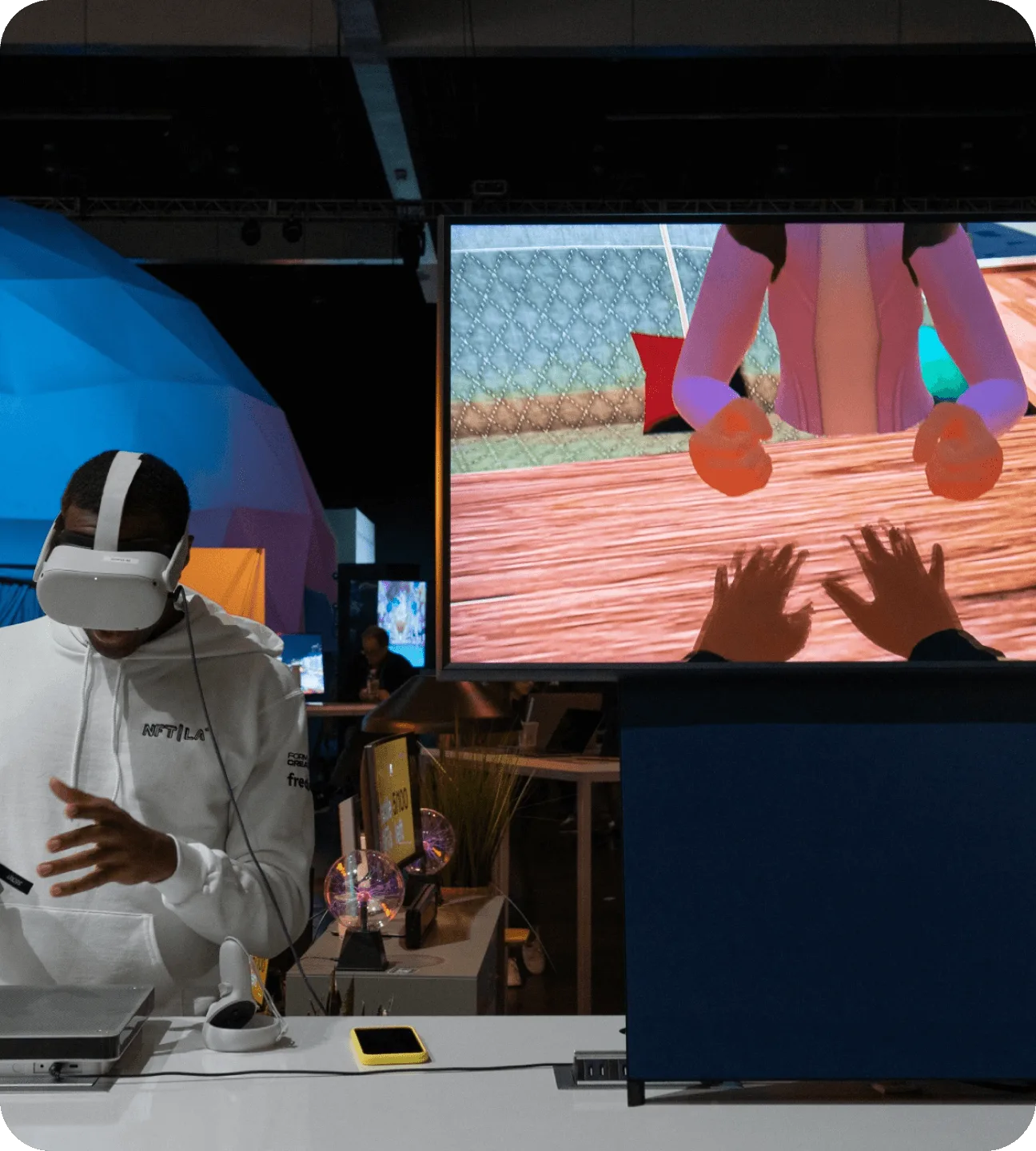
- Meta Quest
- iOS
- Android
- WebXR
As the industry’s premier augmented reality agency, we’ve crafted AR solutions across all platforms, hardware, metaverse, and AR engines. Our expertise is underscored by four patents in the XR and AR domains.As the industry's premier augmented reality agency, we've crafted AR solutions across all platforms, hardware, and AR engines. Our expertise is underscored by four patents in the AR domain.
Augmented Reality Platforms
There’s a plethora of platforms, SDKs, and game engines available for developing augmented reality apps. Making the right choice is pivotal to crafting an optimal AR experience for your audience.


Unity
Unity is one of the most popular cross-platform game development engines that also excels in creating AR experiences. Its major advantage lies in its vast ecosystem, which includes a large community of developers, an extensive asset store, and powerful tools for AR development such as the AR Foundation framework. Unity is particularly advantageous for developers aiming to deploy their AR applications across multiple platforms (iOS, Android, Windows) while maintaining a consistent user experience. It’s ideal for complex interactive applications, such as games or simulations, that require detailed environments and high levels of user engagement.

ARKit
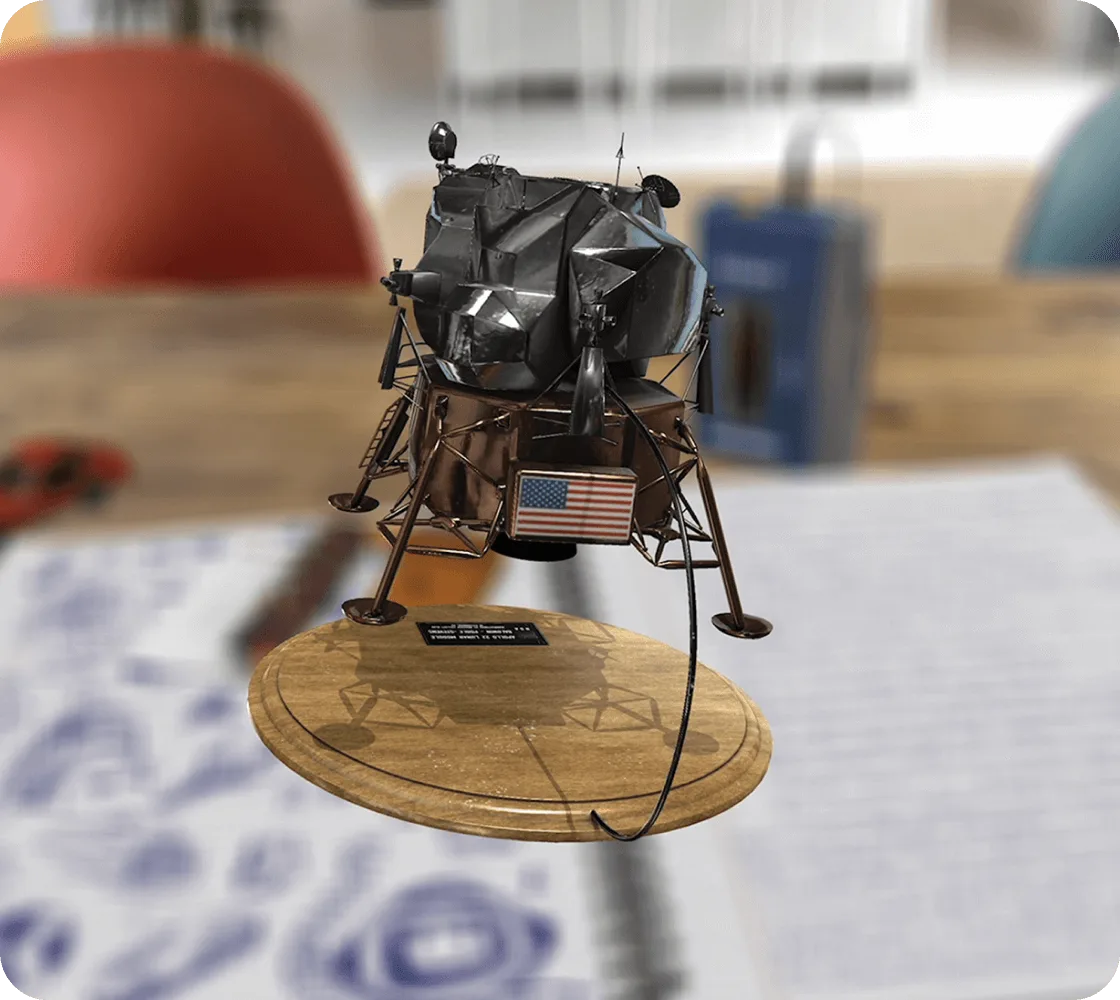
Apple’s launch of ARKit marked a pivotal moment for augmented reality (AR), thrusting a previously niche technology into the limelight. Even though AR had been in existence for years, it was ARKit that solidified its mainstream status. ARKit facilitates the creation of diverse AR experiences, from casual apps to robust business applications. Compatible with iOS, natively attuned to Vision OS, and integrable with the Unity Game engine, ARKit, especially within VisionOS, has a profound grasp of one’s environment, empowering apps to interact with spaces in innovative ways. As an augmented reality agency, we consider ARKit as the premier SDK for AR development.


Unreal engine
Unreal and Unity are comparable giants in game development, both boasting outstanding graphics. However, when it comes to the pinnacle of graphic quality and intricate environmental details, Unreal Engine holds the edge. It offers swifter rendering than Unity, streamlining post-processing and overall game creation. With its comprehensive AR framework, Unreal delivers a cohesive platform for augmented reality app development. At Frame Sixty, as an augmented reality agency, our choice leans towards Unreal for AR apps when unparalleled graphic fidelity is paramount.

ARCore
ARCore, developed by Google, is instrumental in bridging the virtual and real worlds. At Frame Sixty, as an augmented reality agency, we believe its value lies in offering immersive AR experiences on Android devices. From shopping apps that allow users to visualize furniture in their living space before purchasing, to educational tools that bring historical figures to classrooms, its use cases are vast. Gamers experience more engaging environments, while businesses can offer interactive training modules. Moreover, tourism can be enhanced with AR city tours, and interior designers can make informed decisions using AR previews. ARCore’s versatility truly revolutionizes multiple sectors.
HardwareAR Hardware

AR Real world use cases
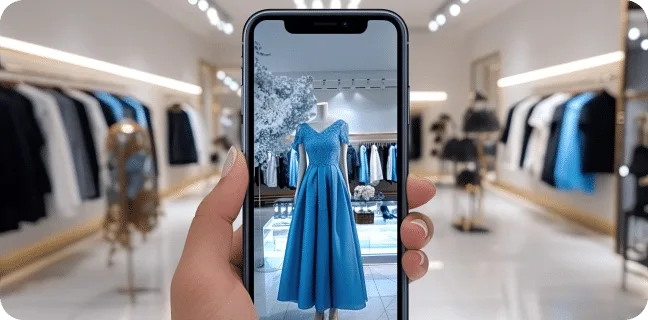
Retail and E-Commerce
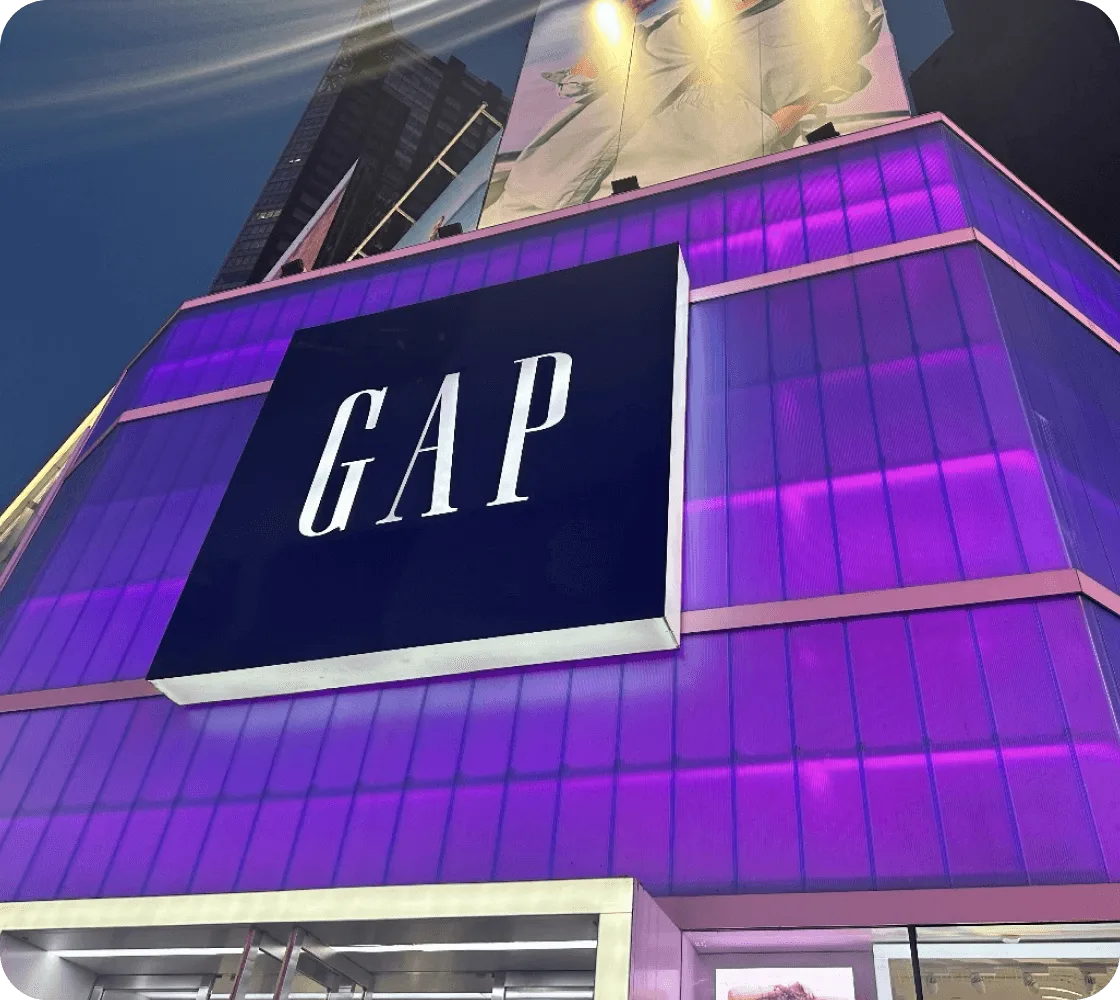
Augmented reality is revolutionizing the retail and e-commerce sectors by offering immersive shopping experiences that bridge the gap between digital and physical stores. An augmented reality agency can help brands create interactive applications where customers can visualize products in their real-world environment before making a purchase. For instance, shoppers can use AR to see how furniture fits in their living rooms, try on virtual clothing, or test out makeup products in real-time.
This technology enables 3D product simulations and real-time customization, increasing customer engagement and reducing returns. Virtual try-ons and spatial visualizations make online shopping more interactive and personalized, creating a unique buying experience that drives customer satisfaction. By integrating AR into mobile apps, retailers can offer innovative ways for users to explore their digital catalogs, enhancing brand loyalty and transforming the shopping environment into an interactive journey.
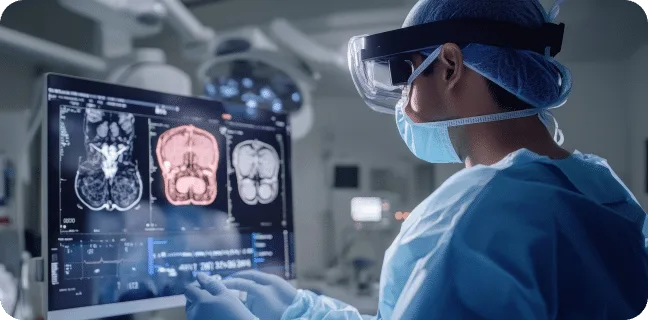
Healthcare and Medical Training
In the healthcare industry, augmented reality is proving to be a powerful tool for training, diagnostics, and treatment. Augmented reality agencies are helping develop immersive applications for medical professionals to visualize anatomy in 3D, simulate surgeries, and practice procedures in a risk-free environment. AR technology offers real-time overlays of digital content onto physical patients, assisting in precise diagnostics and surgical planning.
Mixed reality glasses like Apple Vision Pro can display spatially accurate organ models or guide surgeons during complex operations with real-time, interactive visuals. These innovations improve the accuracy and efficiency of treatments, while AR-based medical training ensures that practitioners gain hands-on experience in a simulated but realistic environment. The integration of AR in healthcare is driving advancements that enhance both patient care and the overall medical ecosystem.

Education and Training
AR technology is transforming the education sector by creating interactive and engaging learning experiences. By working with an augmented reality agency, schools and training organizations can develop applications that bring subjects to life through 3D visualizations, real-time simulations, and immersive environments. Students can explore historical landmarks, study complex scientific concepts, or conduct virtual experiments—all from the comfort of their classrooms or homes.
Interactive AR content fosters deeper understanding and retention of information. For corporate training, AR applications provide employees with immersive environments to practice skills, such as assembling machinery or handling workplace hazards. These mixed reality solutions make learning both engaging and effective, enhancing knowledge retention and workforce productivity.
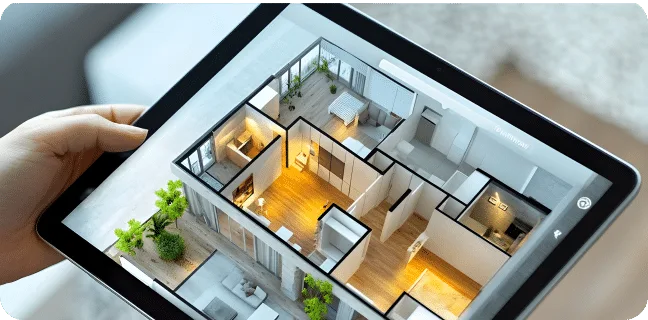
Real Estate and Architecture
In the real estate and architecture industries, augmented reality is enabling clients and professionals to visualize properties and designs in unprecedented ways. An augmented reality agency can create applications that allow potential buyers to take virtual tours of properties or overlay digital furniture into empty spaces for a complete immersive experience. These tools help clients understand the spatial dimensions and design potential of homes without needing physical visits.
For architects and developers, AR provides real-time visualization of building plans and 3D models within their intended environments. This spatial and interactive technology helps teams identify design flaws early and collaborate more effectively. By integrating AR into the construction and real estate workflows, professionals can enhance the design, marketing, and selling process, offering innovative solutions that elevate client engagement.
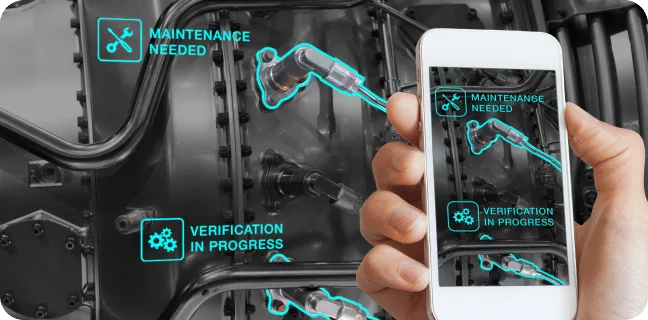
Manufacturing and Industrial Processes
Augmented reality is transforming manufacturing and industrial processes by introducing real-time guidance, interactive simulations, and immersive 3D visualizations. An augmented reality agency can develop AR solutions that optimize production lines, provide real-time equipment maintenance guidance, and enhance worker training with mixed reality experiences. Workers can access interactive overlays that display step-by-step instructions for assembling machinery, ensuring precision and efficiency in complex tasks.
AR applications also support predictive maintenance by integrating IoT data and digital simulations to monitor equipment health, minimizing downtime and costs. Spatial visualization tools enable managers to identify production bottlenecks and test adjustments in a virtual environment before implementing them in the physical workflow. These cutting-edge technologies streamline processes, improve safety, and drive innovation in the industrial sector.
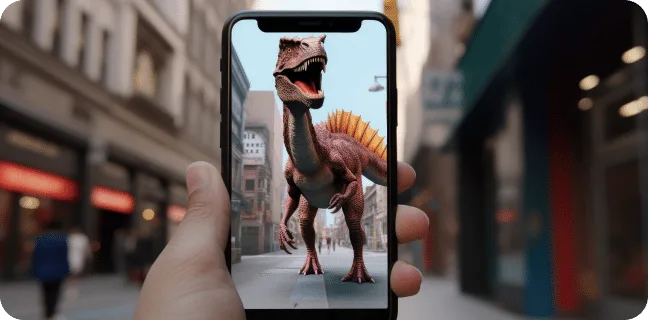
Entertainment and Gaming
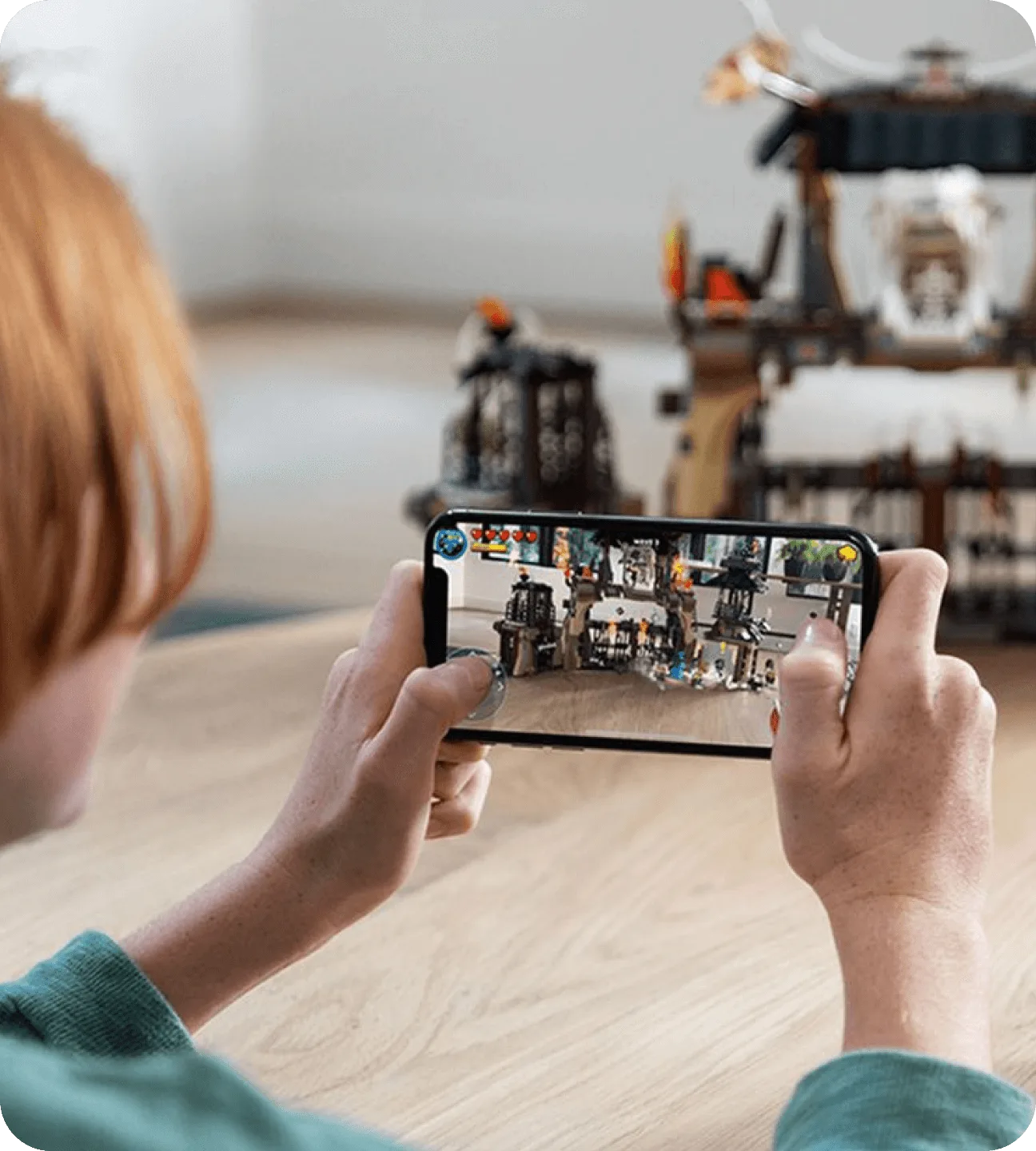
Augmented reality is redefining entertainment and gaming by creating immersive, interactive, and engaging experiences that merge the physical and digital worlds. An augmented reality agency can design AR games and entertainment applications that utilize spatial environments, real-time interactions, and mixed reality elements to captivate audiences. Mobile AR games like scavenger hunts and location-based adventures are bringing virtual content into real-world settings, creating dynamic gaming experiences.
In entertainment, AR technology enables immersive storytelling by integrating 3D characters and digital content into live performances, concerts, or theme parks. AR applications on platforms like Apple Vision Pro or Meta Quest deliver unparalleled engagement, allowing users to interact with their environment in unique ways. By blending innovation and creativity, AR is transforming the entertainment landscape and elevating user experiences.
Entertainment and Gaming
Augmented reality is redefining entertainment and gaming by creating immersive, interactive, and engaging experiences that merge the physical and digital worlds. An augmented reality agency can design AR games and entertainment applications that utilize spatial environments, real-time interactions, and mixed reality elements to captivate audiences. Mobile AR games like scavenger hunts and location-based adventures are bringing virtual content into real-world settings, creating dynamic gaming experiences.
In entertainment, AR technology enables immersive storytelling by integrating 3D characters and digital content into live performances, concerts, or theme parks. AR applications on platforms like Apple Vision Pro or Meta Quest deliver unparalleled engagement, allowing users to interact with their environment in unique ways. By blending innovation and creativity, AR is transforming the entertainment landscape and elevating user experiences.
Manufacturing and Industrial Processes
Augmented reality is transforming manufacturing and industrial processes by introducing real-time guidance, interactive simulations, and immersive 3D visualizations. An augmented reality agency can develop AR solutions that optimize production lines, provide real-time equipment maintenance guidance, and enhance worker training with mixed reality experiences. Workers can access interactive overlays that display step-by-step instructions for assembling machinery, ensuring precision and efficiency in complex tasks.
AR applications also support predictive maintenance by integrating IoT data and digital simulations to monitor equipment health, minimizing downtime and costs. Spatial visualization tools enable managers to identify production bottlenecks and test adjustments in a virtual environment before implementing them in the physical workflow. These cutting-edge technologies streamline processes, improve safety, and drive innovation in the industrial sector.
Education and Training
AR technology is transforming the education sector by creating interactive and engaging learning experiences. By working with an augmented reality agency, schools and training organizations can develop applications that bring subjects to life through 3D visualizations, real-time simulations, and immersive environments. Students can explore historical landmarks, study complex scientific concepts, or conduct virtual experiments—all from the comfort of their classrooms or homes.
Interactive AR content fosters deeper understanding and retention of information. For corporate training, AR applications provide employees with immersive environments to practice skills, such as assembling machinery or handling workplace hazards. These mixed reality solutions make learning both engaging and effective, enhancing knowledge retention and workforce productivity.
Real Estate and Architecture
In the real estate and architecture industries, augmented reality is enabling clients and professionals to visualize properties and designs in unprecedented ways. An augmented reality agency can create applications that allow potential buyers to take virtual tours of properties or overlay digital furniture into empty spaces for a complete immersive experience. These tools help clients understand the spatial dimensions and design potential of homes without needing physical visits.
For architects and developers, AR provides real-time visualization of building plans and 3D models within their intended environments. This spatial and interactive technology helps teams identify design flaws early and collaborate more effectively. By integrating AR into the construction and real estate workflows, professionals can enhance the design, marketing, and selling process, offering innovative solutions that elevate client engagement.
Healthcare and Medical Training
In the healthcare industry, augmented reality is proving to be a powerful tool for training, diagnostics, and treatment. Augmented reality agencies are helping develop immersive applications for medical professionals to visualize anatomy in 3D, simulate surgeries, and practice procedures in a risk-free environment. AR technology offers real-time overlays of digital content onto physical patients, assisting in precise diagnostics and surgical planning.
Mixed reality glasses like Apple Vision Pro can display spatially accurate organ models or guide surgeons during complex operations with real-time, interactive visuals. These innovations improve the accuracy and efficiency of treatments, while AR-based medical training ensures that practitioners gain hands-on experience in a simulated but realistic environment. The integration of AR in healthcare is driving advancements that enhance both patient care and the overall medical ecosystem.
Retail and E-Commerce
Augmented reality is revolutionizing the retail and e-commerce sectors by offering immersive shopping experiences that bridge the gap between digital and physical stores. An augmented reality agency can help brands create interactive applications where customers can visualize products in their real-world environment before making a purchase. For instance, shoppers can use AR to see how furniture fits in their living rooms, try on virtual clothing, or test out makeup products in real-time.
This technology enables 3D product simulations and real-time customization, increasing customer engagement and reducing returns. Virtual try-ons and spatial visualizations make online shopping more interactive and personalized, creating a unique buying experience that drives customer satisfaction. By integrating AR into mobile apps, retailers can offer innovative ways for users to explore their digital catalogs, enhancing brand loyalty and transforming the shopping environment into an interactive journey.
FAQs About App Development
Crafting and bringing a mobile app to life can often feel like a daunting endeavor. However, with our wealth of knowledge and seasoned expertise, we're equipped to address all your questions and navigate you through the app creation journey with unparalleled smoothness and simplicity.
An augmented reality agency plans, designs, and develops experiences that place interactive digital content in real-world environments. Frame Sixty supports the full process, including product strategy, UX design, 3D content, engineering, device testing, launch, and ongoing support.
The cost depends on the experience, platforms, 3D content, integrations, and testing requirements. A focused prototype costs less than a production application for multiple devices, so we begin with discovery and provide a scope, schedule, and estimate before development starts.
A focused augmented reality prototype often takes four to eight weeks, while a polished production application can take three to six months or longer. The schedule depends on feature complexity, content creation, supported devices, integrations, and approval requirements.
We build for iOS with ARKit, Android with ARCore, Unity, Unreal Engine, WebAR and WebXR, Apple Vision Pro, and Meta Quest. Our augmented reality agency recommends the platform mix that best fits your audience, use case, performance needs, and distribution plan.
Yes. We can integrate augmented reality into an existing iOS or Android application, or create a browser-based experience through our WebAR development services. We first review the current product architecture to choose the safest integration approach.
Choose an augmented reality agency with demonstrated experience across product strategy, spatial UX, 3D pipelines, computer vision, and the devices your audience uses. Ask to review relevant work, the proposed technical approach, testing coverage, ownership terms, and the plan for post-launch support.
Apple Vision Pro introduces a spatial computing environment with new interaction methods like eye tracking and hand gestures. AR/VR development for VisionOS requires specialized design and engineering approaches.
Yes. We regularly build proof-of-concept apps and MVPs to help clients validate ideas, secure funding, or pitch to internal stakeholders.
Absolutely. We've built medical-grade prototypes, including brain scan visualization tools, and can tailor AR/VR development for healthcare use cases.
For initial development, we use Apple’s visionOS simulator. However, full testing requires access to the Vision Pro device, which we support internally.
Yes. We can migrate existing Unity projects to visionOS using Unity PolySpatial and Apple's APIs, while optimizing for performance and UI/UX standards.
Some components can extend to iPad or iPhone, but immersive spatial features are exclusive to Vision Pro. We can advise on cross-device strategy as part of your AR/VR development roadmap.
Yes, we’ve helped clients submit and get approved on both Meta Quest Store and App Lab, including meeting Meta's technical and content review guidelines.
Yes. Our AR/VR development team specializes in Quest’s MR capabilities using color passthrough, depth APIs, and environment blending.
Absolutely. We can integrate Photon, Normcore, or custom networking stacks to enable social, collaborative, or multiplayer AR/VR apps.
While all support core features, Quest 3 and Pro offer better passthrough, depth sensing, and hand tracking. We help tailor AR/VR development to the hardware's strengths.
Yes, we implement Quest’s hand tracking APIs for natural gesture-based input, ideal for immersive experiences and accessibility.
Yes. We primarily use Unity for Meta Quest apps but can also develop in Unreal depending on the visual or technical requirements.
We work across industries including healthcare, education, entertainment, enterprise training, architecture, and retail.
Yes. Our team handles the full spectrum—from mobile AR on iOS/Android to fully immersive VR for headsets like Quest and Vision Pro.
Yes. We frequently develop custom graphics pipelines, shaders, and input systems to create high-fidelity AR/VR experiences.
Definitely. Many of our clients engage us early to help shape the product vision, build prototypes, and outline a go-to-market plan.
Yes. We offer ongoing support, feature expansions, and performance optimizations after your AR/VR app is live.
Yes. We’ve integrated AI-based assistants, object tracking, and spatial awareness features into AR/VR projects for smarter interactions.
Get in touch
We’re interested to see how we can help. Send us a message and we will get back to you within 24 hours.